The first BMD Training Materials are now available on our Training Platform
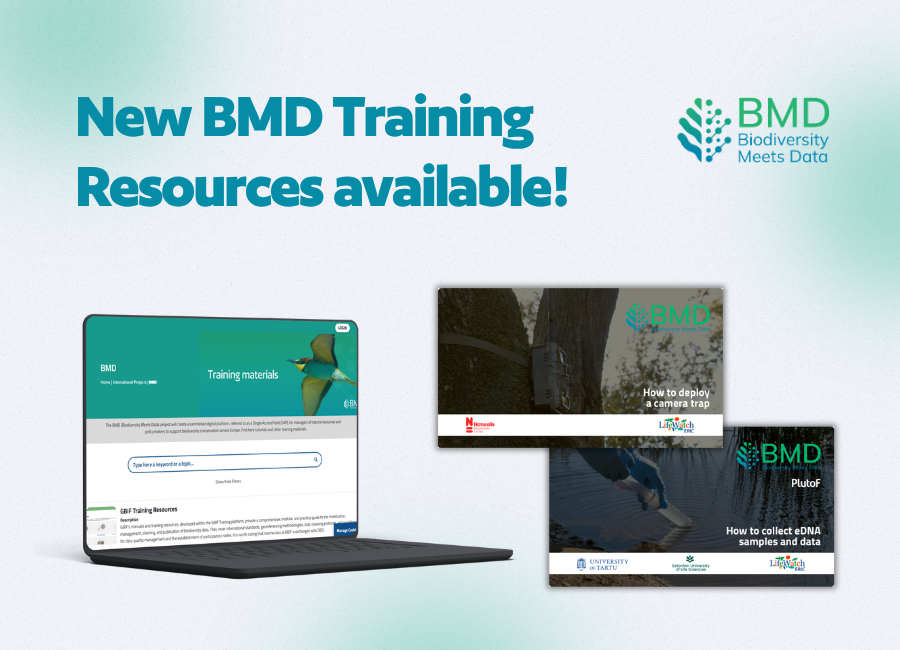
BMD has published multiple new training materials on camera trap deployment and eDNA (environmental DNA) sample collection. They aim to help ecologists, researchers, Natura 2000 site managers, and other interested parties develop the knowledge and skills needed to use these monitoring techniques. These materials include two training videos that provide step-by-step guides for setting up camera traps and using eDNA, as well as managing the recorded information afterwards, and a Practical Guide to Camera Trap Deployment illustrating the whole process of working with a camera trap in-depth. All resources are publicly available on BMD’s Training Platform and on YouTube.
How to deploy a camera trap?
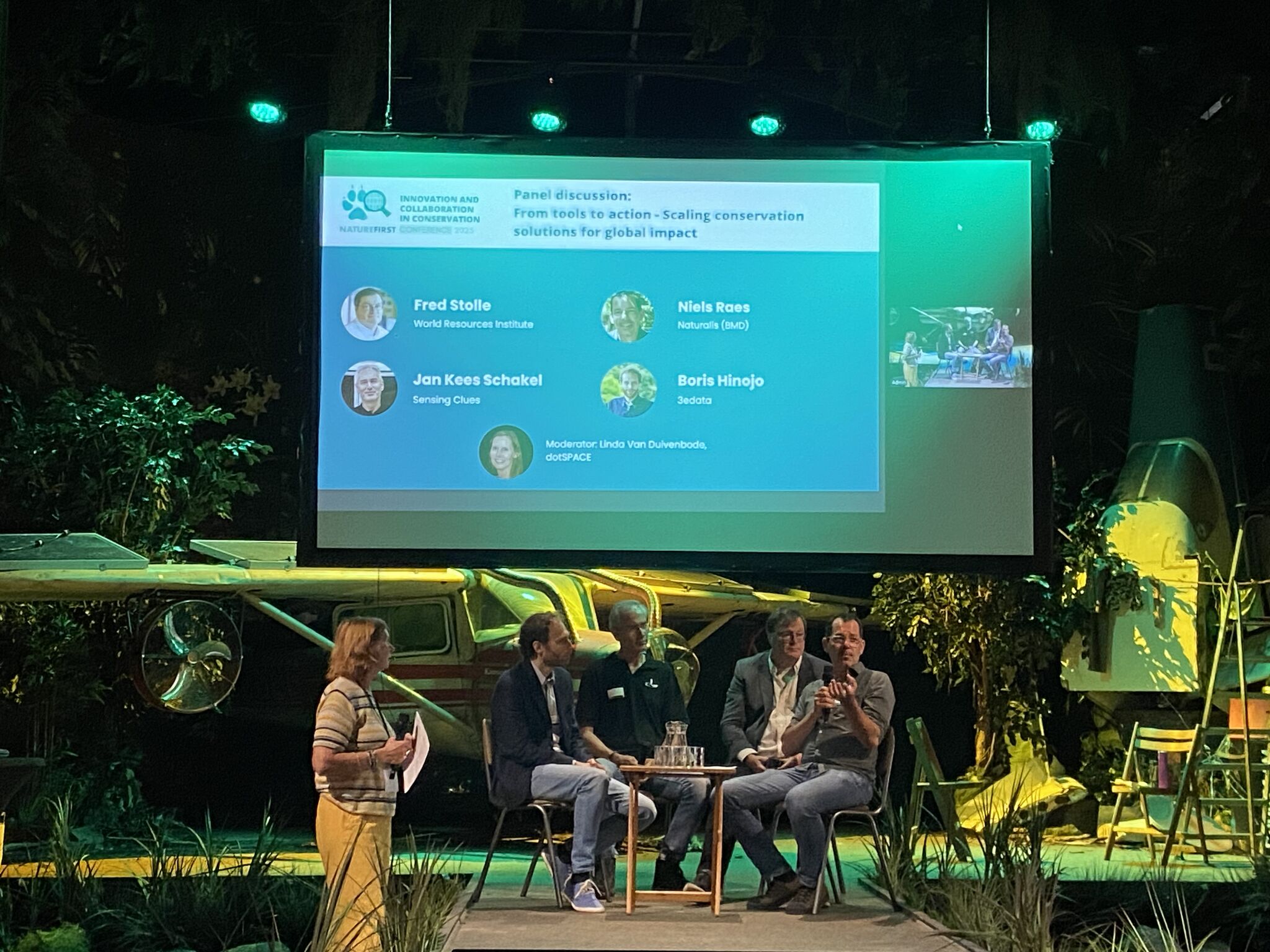
In this short tutorial, BMD’s coordinator and researcher Niels Raes (Naturalis Biodiversity Center) shares some practical tips on trail camera placement, settings, and field testing for wildlife monitoring and area surveillance. He explains how to conduct the hardware installation, cellular connectivity, and memory card management, how to set up the camera so that animals can be fully visible, and how to avoid false positives caused by strong winds and other environmental factors. Watch the tutorial here.
This tutorial is also accompanied by a Practical Guide covering the entire study lifecycle from camera set-up to data management. It also provides field-tested recommendations and lessons learned from camera trap projects conducted across a range of ecosystems and study objectives.
How to collect eDNA samples and data?
In this training video, Kristel Panksep and Kessy Abarenkov, BMD partners and researchers from the University of Tartu, present a field tutorial for collecting and processing aquatic eDNA samples. They provide a step-by-step procedure for water sampling using syringes and Sylphium filters and explain how to store freshly collected samples to prevent cross-contamination and preserve the DNA. In addition, Kessy and Kristel present how to manage the sample metadata while in the field, using the PlutoF GO app to generate and publish datasets on the Global Biodiversity Information Facility (GBIF). Watch the tutorial here.
Apart from these video tutorials, the BMD Training Portal also offers other resources, such as a separate manual on data management and mobilisation via the PlutoF platform, additional GBIF Training Resources, and an OBIS Manual for retrieving and navigating OBIS data.
How to mobilise checklist and Red List data to GBIF?
BMD’s coordinator has contributed to the publication of Guidelines for Mobilising National Botanical Checklists and Red Lists to GBIF of the METAPLANTCODE project funded by Biodiversa+. The document is specifically developed to support the standardised publication of botanical checklist and Red List data through GBIF and to help data providers address common challenges in preparing and sharing national and regional botanical checklists and Red Lists. The same methodology applies to checklists and Red Lists of other taxa.
To discover all of BMD’s training resources and work so far, check out our Training Platform, hosted on LifeWatch ERIC’s portal.