BMD to continue MAMBO’s mission for biodiversity monitoring
As the EU-funded project MAMBO comes to a conclusion this August, BMD will have the opportunity to further advance some of its biodiversity monitoring efforts. MAMBO developed tools that use cameras, sound recorders and remote sensing to facilitate data capture for species tracking and habitat assessment. BMD builds on this foundation and goes a step further by addressing what happens after data is generated. To that end, the project is creating a centralised platform (Biodiversity Explorer) which will provide direct access to the captured data, alongside tools for analysis and visualisation.
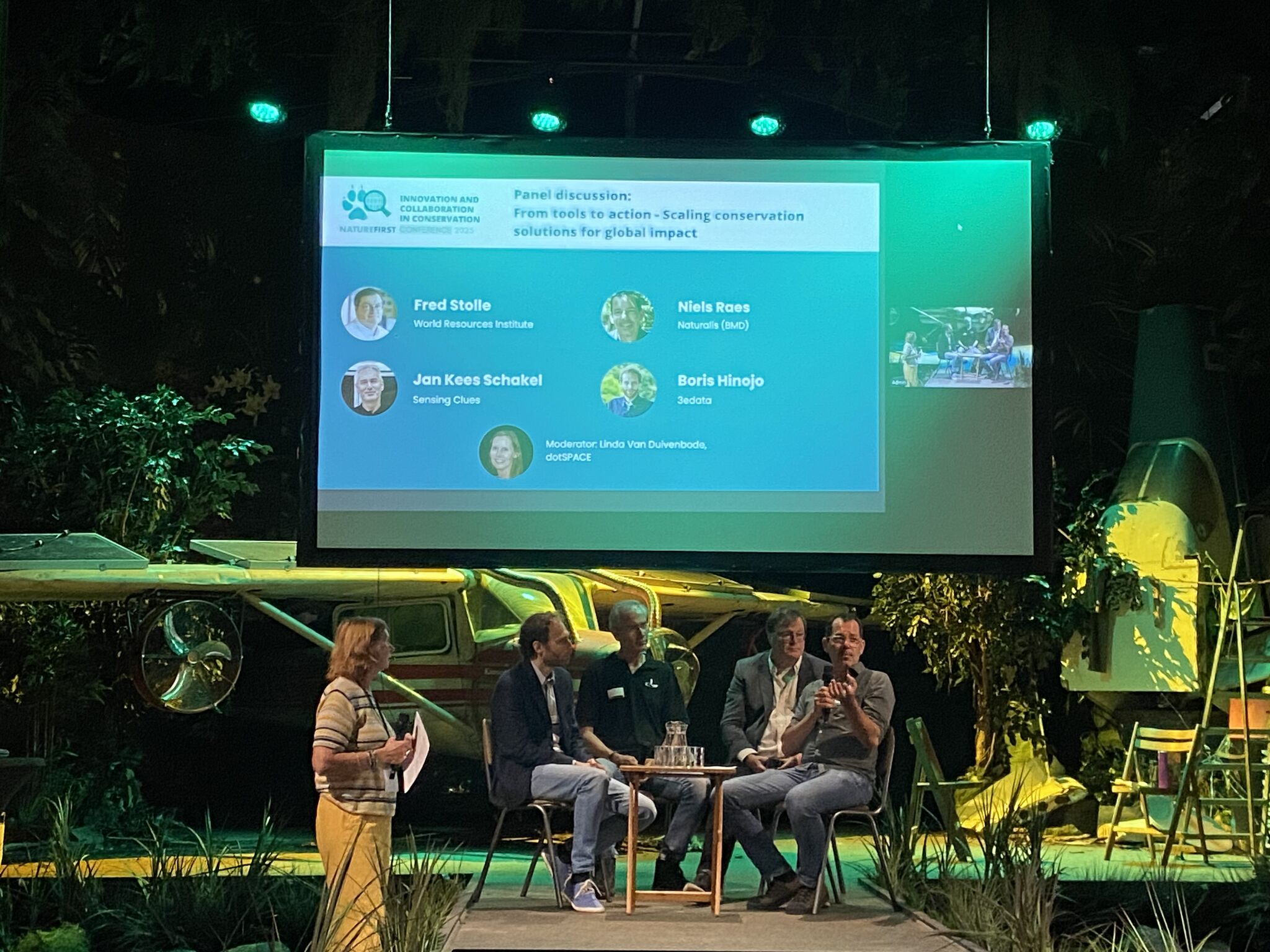
BMD will combine high-throughput biodiversity monitoring tools (camera traps, audio recorders, and eDNA sampling) with AI taxon identification services. For image and audio monitoring tools, BMD builds on existing technologies advanced by MAMBO, such as the co-development of the Multi Source Model (MSM) with Naturalis Biodiversity Center and four audio AI models for birds, bats, amphibians, grasshoppers and crickets. The species captured by the devices are then identified by AI algorithms that also find their initial development in MAMBO. All these technologies will be directly mainstreamed to natural area managers and Natura 2000 site managers, along with policy makers. Many AI workflows, however, work well on a laptop but struggle in real operations, where teams need simple interfaces, clear outputs and support. This was highlighted in a recent CORDIS Results Pack, where MAMBO project partner and BMD project coordinator Niels Raes shared that “A key challenge has been to combine the latest AI developments and functionality with user-friendly tools for accessing the results in formats relevant to stakeholders”.
This is the challenge that the Biodiversity Explorer hopes to address by packaging tools, data and analyses into an access point that supports reporting under the EU Nature Directives. The Biodiversity Explorer will also provide tools and guidelines to mobilise historical baseline data and species checklists, as well as publish the captured and analysed biodiversity data on open biodiversity infrastructures (e.g. GBIF and OBIS). Thus, as highlighted in a recent policy brief, BMD seeks not only to generate more biodiversity data but to accelerate the transformation of those data into actionable information for reporting, site management, and conservation decision-making.