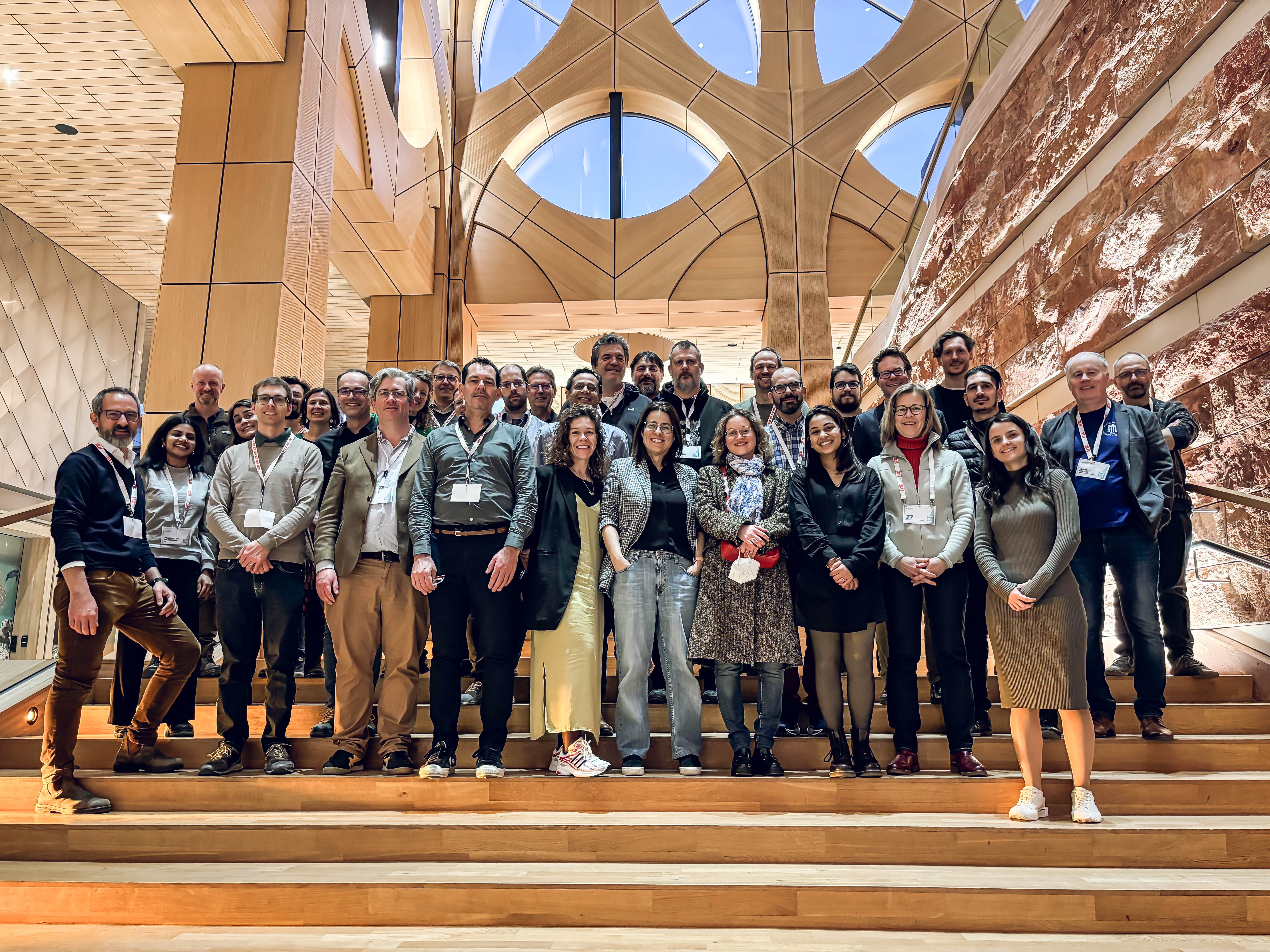
BMD Stakeholder workshop participants in Barcelona, Spain
Photo credit: BMD
A look back at the BMD High-throughput biodiversity monitoring workshop
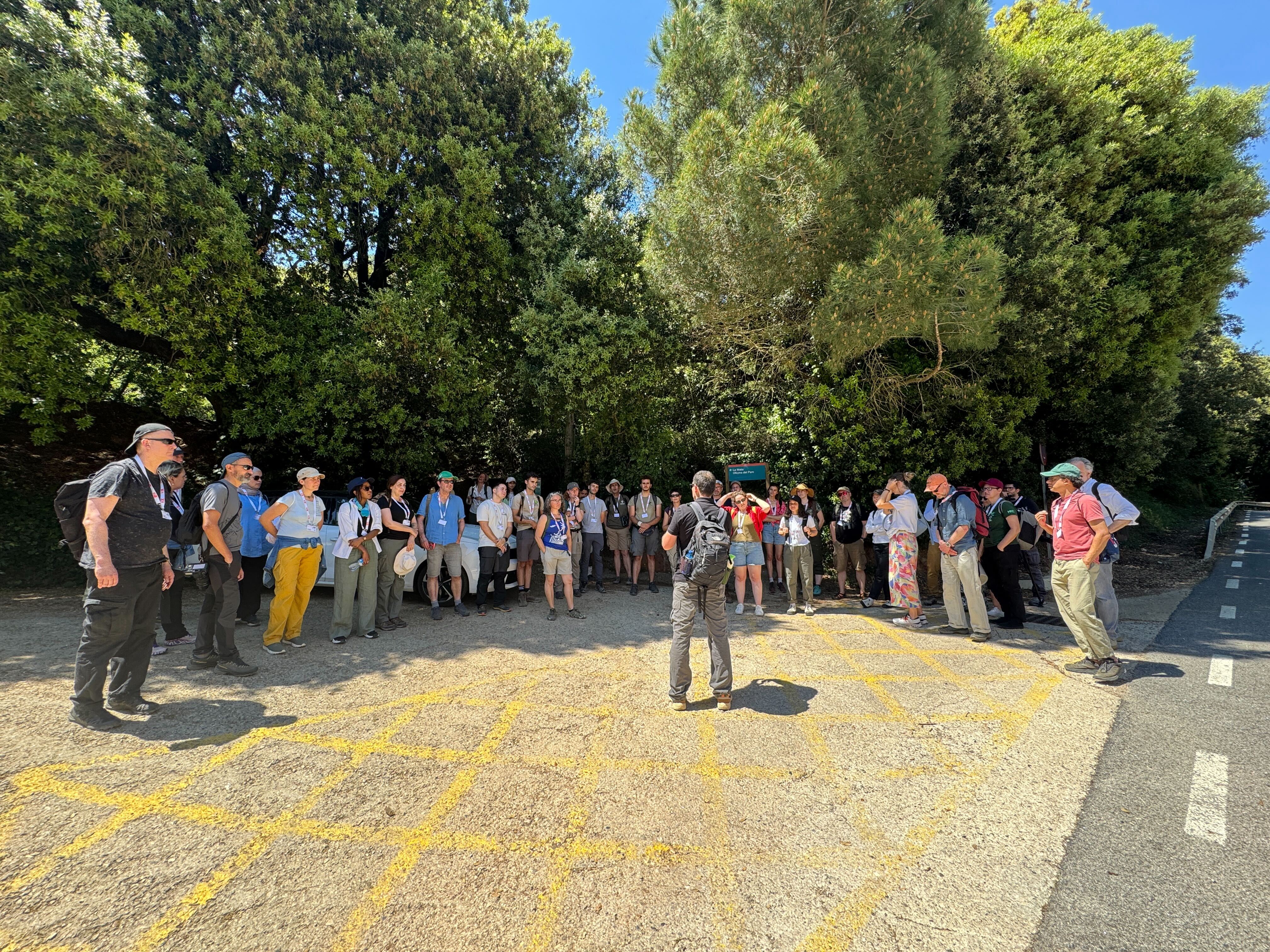
From 27 to 29 May, the BMD High-throughput biodiversity monitoring workshop took place in Barcelona, Spain. During the field trip, which was part of the workshop, project partners welcomed 30 participants to Parc Natural de Sant Llorenç del Munt i l’Obac, a protected natural area spanning 13,694 hectares across the regions of Bages, Vallès Occidental and Moianès.
Participants took part in demonstrations of eDNA sampling and camera trap deployment, led by Kristel Panksep and Kessy Abarenkov from the University of Tartu, alongside BMD coordinator Niels Raes, exploring biodiversity monitoring methods together in a unique natural setting. They also explored different portals, such as ARISE DSI and Pluto F, that allow experts to analyse data from camera traps and eDNA sequences. In addition, data sharing experts Jeroen Creuwels (GBIF Netherlands) and Kessy Abarenkov (University of Tartu), as well as guests Francisco Pando and Katia Cezón from GBIF Spain, showed participants how to mobilise datasets to the Global Biodiversity Information Facility (GBIF).
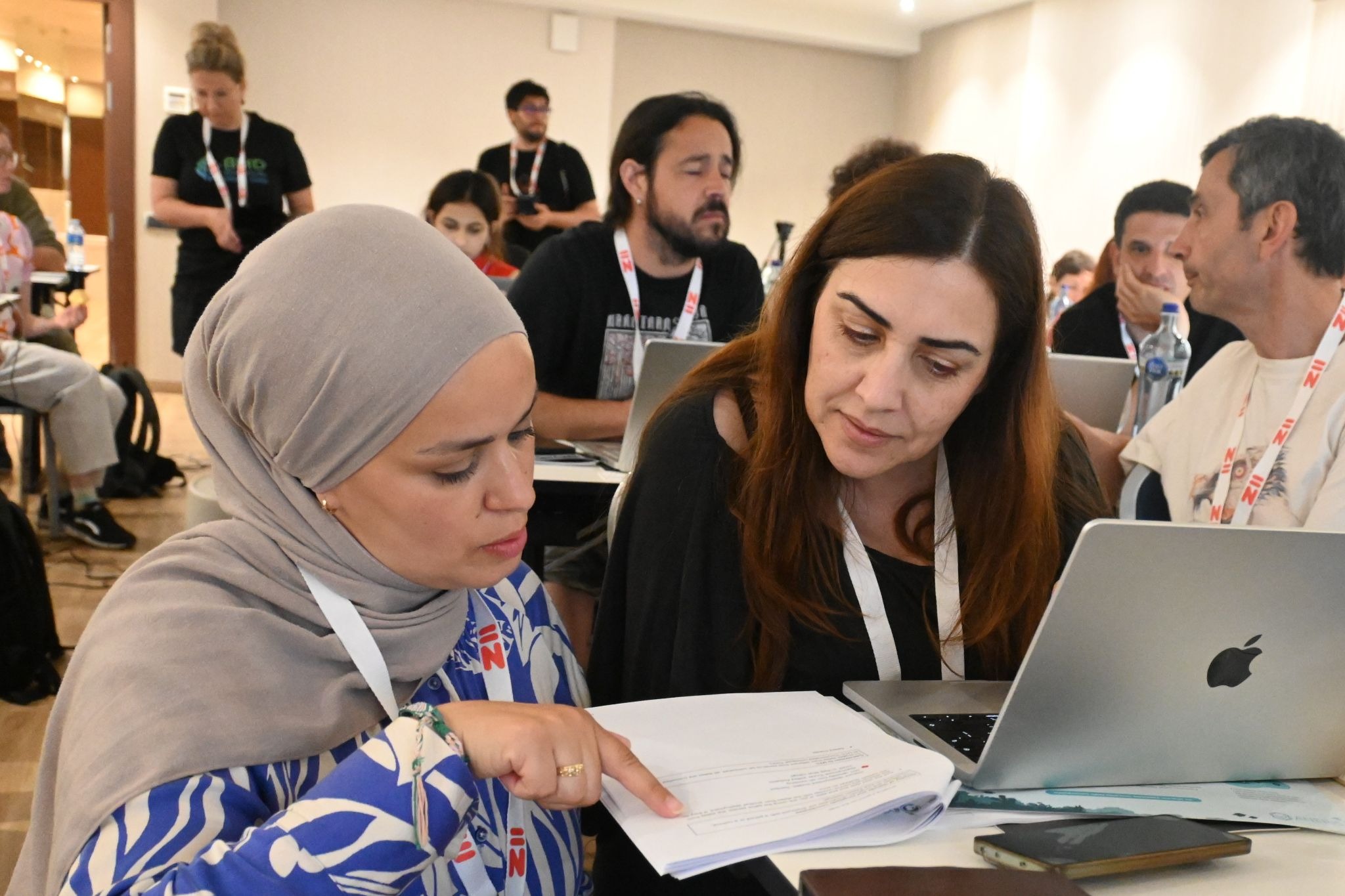
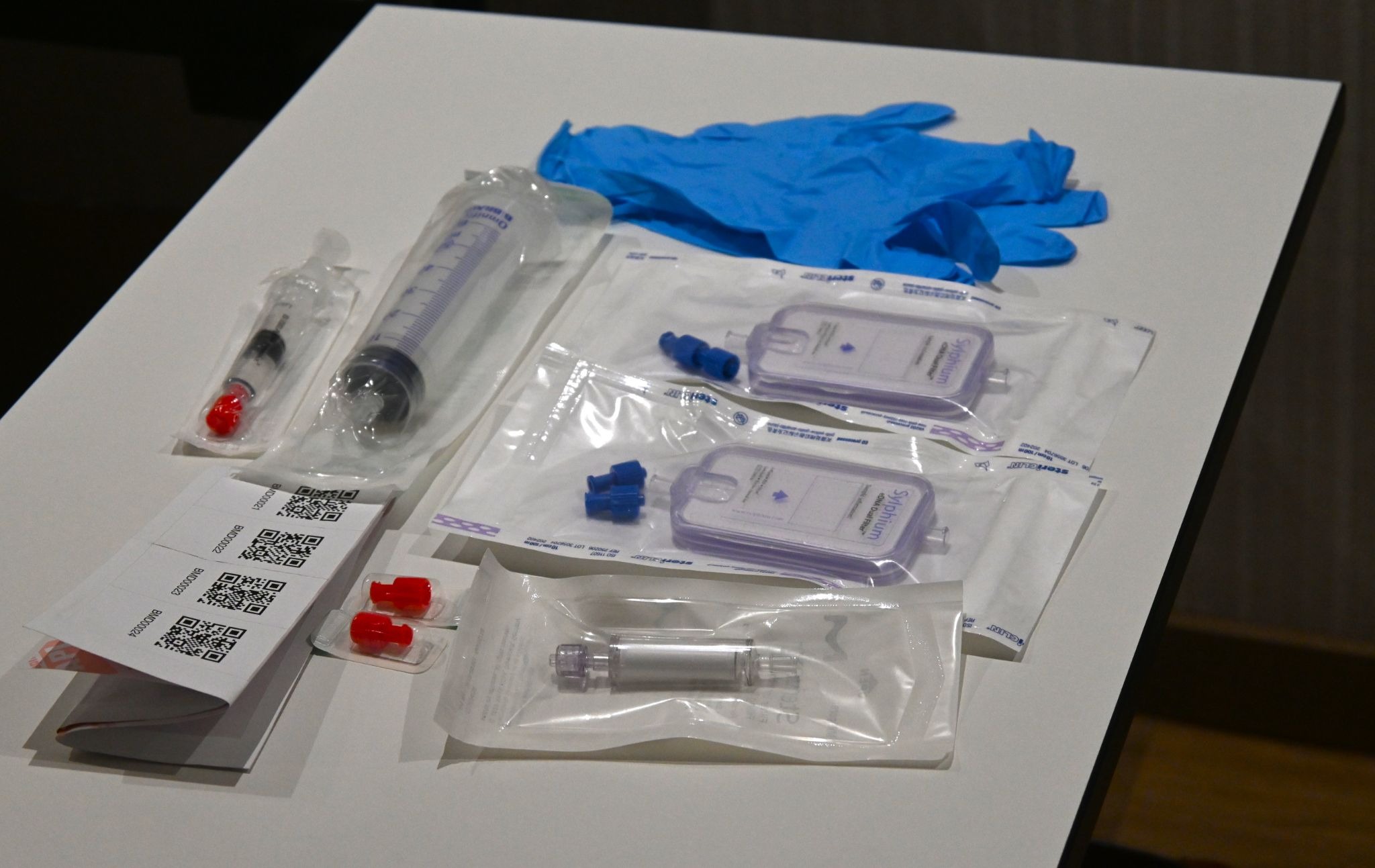
Workshop session on camera traps and eDNA sequences | BMD eDNA sampling tools
As a conclusion to the workshop, Tami Wooldridge (Royal Botanic Garden Edinburgh) led an interactive session that helped gather participant feedback for the ongoing development of our Biodiversity Analysis Tools (BATs). Stakeholders are at the heart of our project, and both the Biodiversity Explorer and BATs are co-designed with them to ensure they meet real-world biodiversity monitoring and management needs. Join our stakeholder network too and be part of the decision-making.
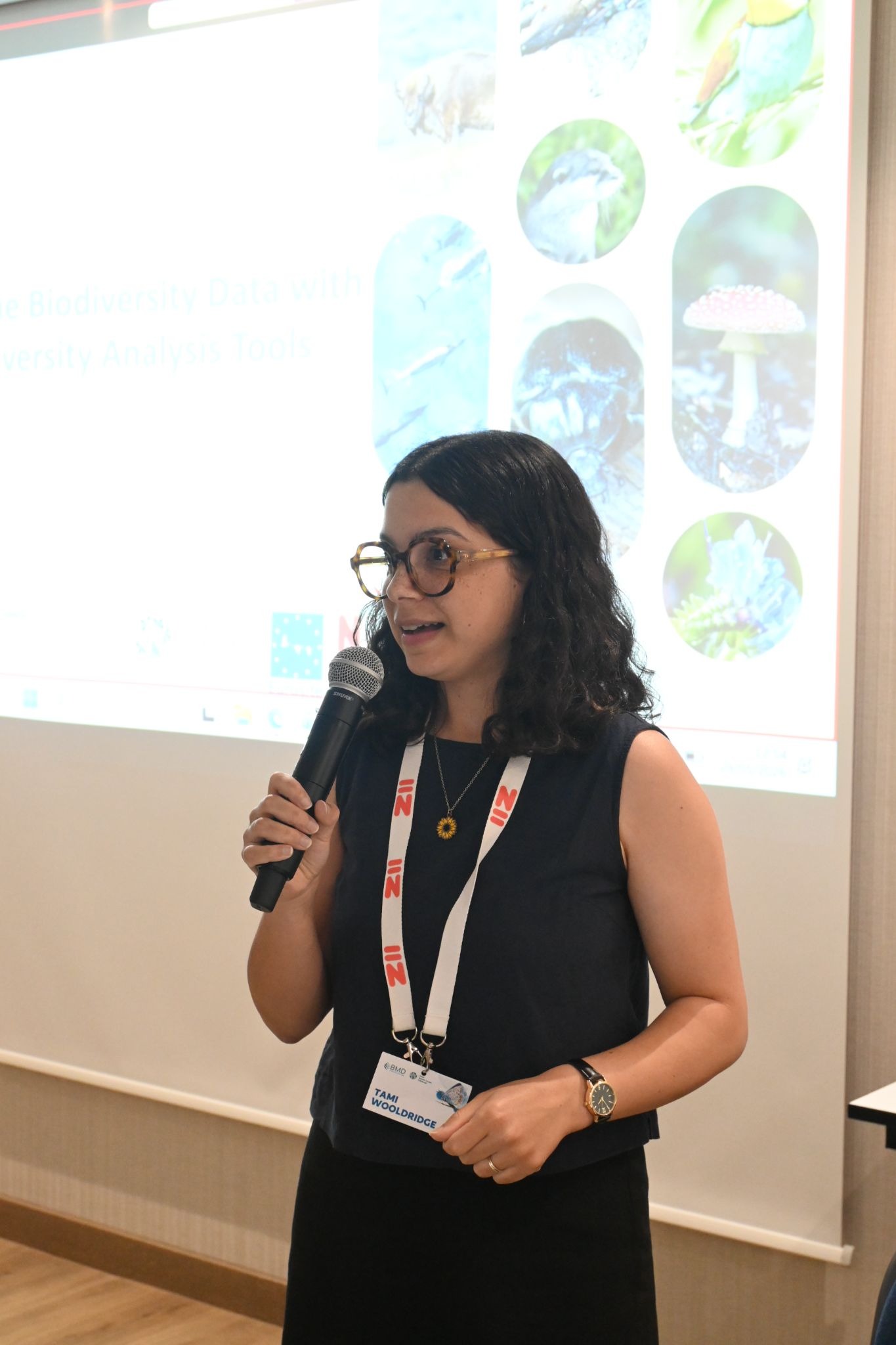
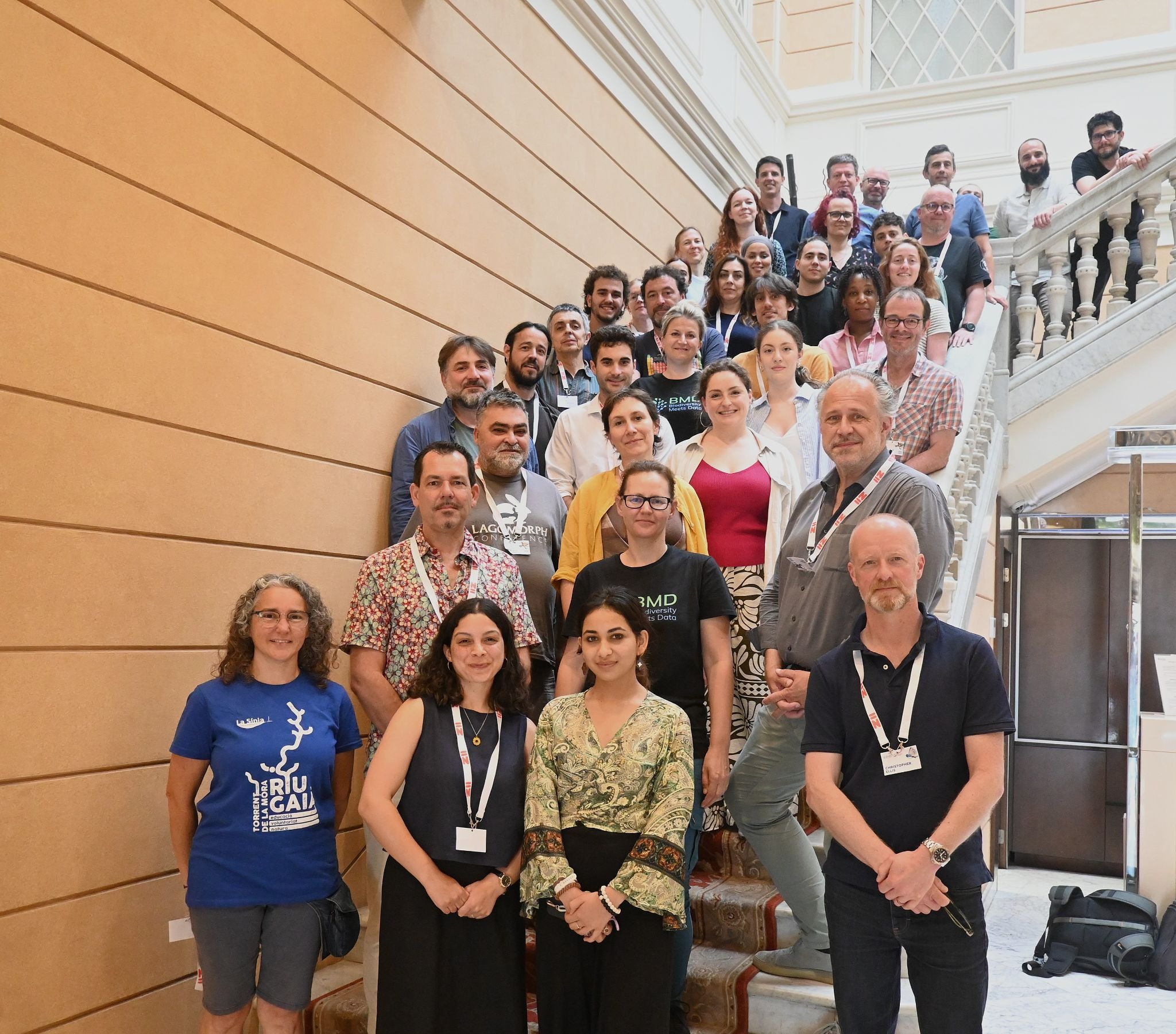
Tami Wooldridge leading a session | The BMD team and participants at the workshop
Project participants had the opportunity to take part in a giveaway that awarded three lucky winners with AudioMoth devices. The initiative reflected BMD’s commitment to supporting the uptake of innovative technologies for biodiversity monitoring, including sound recording devices, camera traps and eDNA sampling methods.