BMD marks its first year
This March marked the first anniversary of the Biodiversity Meets Data (BMD) project. During its first year, BMD has brought together researchers, site managers, policymakers, and data experts with a shared goal: provide stakeholders with high-throughput biodiversity monitoring tools, facilitate the mobilisation of historical baseline and legacy biodiversity data, and develop Biodiversity Analysis Tools to analyse biodiversity data and identify drivers of change.
Collaboration with stakeholders
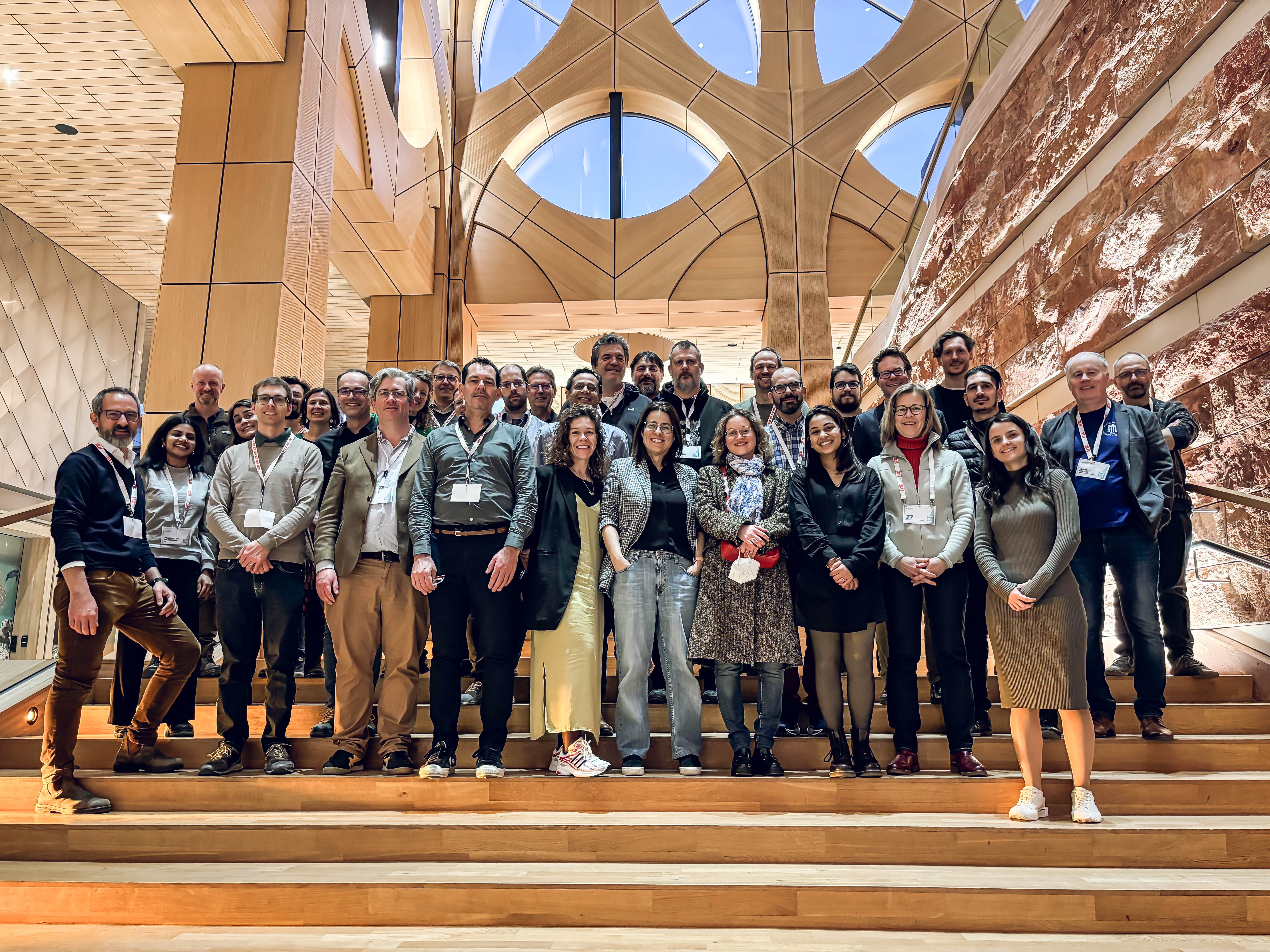
Over the past year, the team engaged with site managers, researchers, and policymakers through workshops, interviews, and online meetings. These conversations produced detailed user stories – descriptions of the needs and contributions of project participants, particularly Natura 2000 site managers. The user stories guide the design of tools and services, ensuring they respond to real-world monitoring challenges and help users to generate, mobilise, access, analyse, and share biodiversity data effectively.
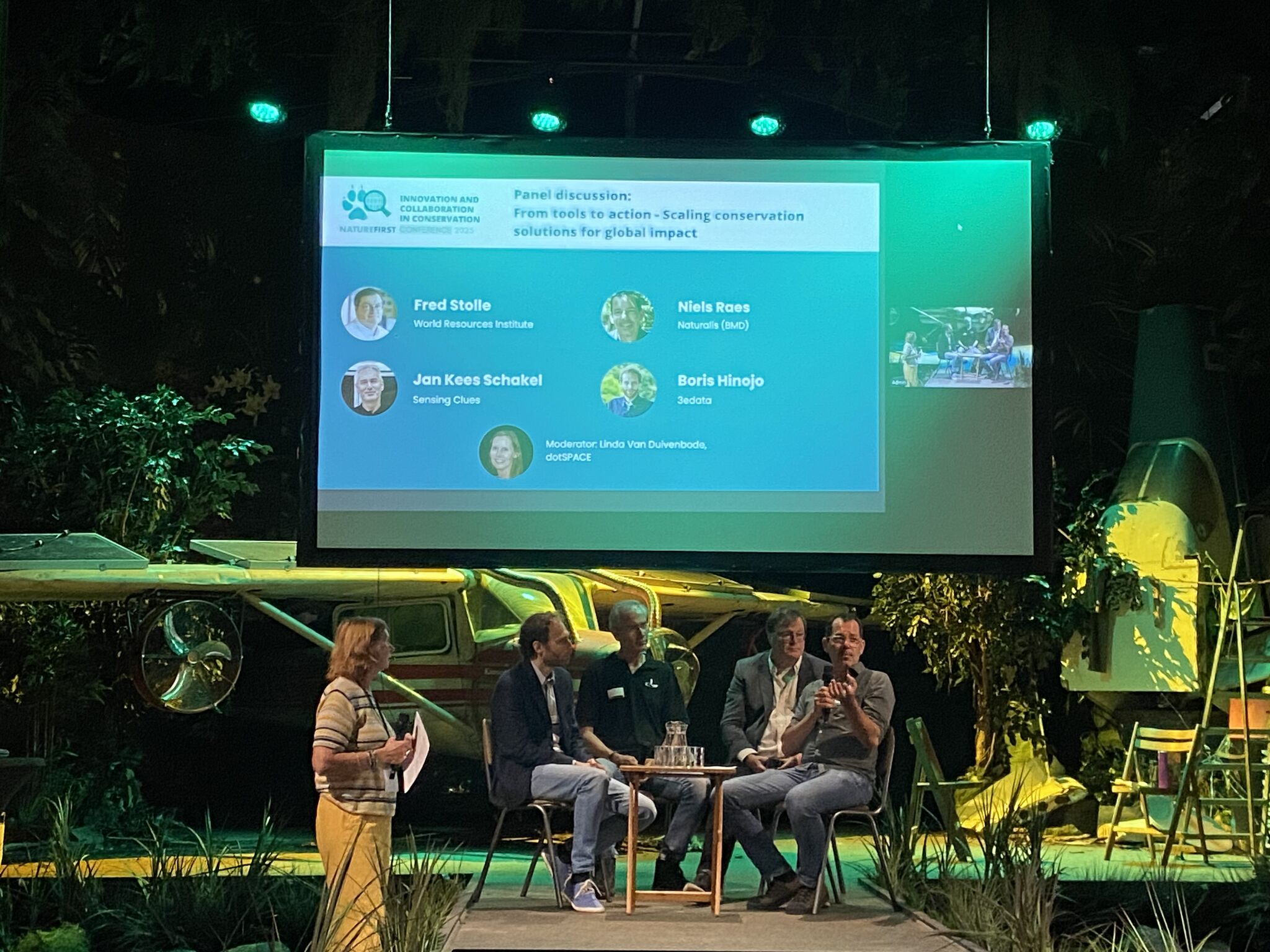
Stakeholder workshops in Lithuania, Sweden, and online have played a key role in shaping the project’s tools, combining design thinking, social research methods, and ethical dialogue to respond to real monitoring challenges.
BMD tools to ensure better access to biodiversity data
BMD launched its first Data Catalogue, bringing together more than 150 relevant datasets from terrestrial, freshwater, and marine environments. By combining historical and current data, the catalogue makes it easier for users to explore and use biodiversity information for research and decision-making. Partnerships with organisations like the European Environment Agency (EEA) have been essential for mobilising and harmonising the data, ensuring it is reliable and up to date. LifeWatch ERIC will support the long-term impact of the project by hosting and maintaining the BMD Data Catalogue, ensuring continuity and accessibility for the future.
The work on BMD’s Biodiversity Analysis Tools has been initiated, with a strong focus on co-designing them together with stakeholders. This process addresses real biodiversity monitoring needs linked to EU nature directives, including identifying key use cases, reviewing policy requirements, and defining the types of analyses and outputs that users need. In parallel, the first steps have been taken towards technical development, including early prototypes demonstrating how biodiversity data can be explored and analysed, such as species distribution models for terrestrial species.
The first prototypes of the Biodiversity Explorer have been created to make navigating datasets and tools easier. Different layout options for the Biodiversity Explorer were shared widely with stakeholders, giving them the opportunity to vote and provide feedback on which designs they found most functional. Workshops and feedback have been central to refining these prototypes, ensuring they are user-friendly and meet the needs of those working in biodiversity monitoring. In addition, the project has started developing guidelines for field monitoring, including eDNA sampling and AI-assisted species identification, to make data collection and processing more efficient.
Access gate to online data mobilisation tutorials
Historical baseline and legacy biodiversity data are essential for detecting changes in biodiversity and understanding their drivers. BMD addresses this by promoting data mobilisation to FAIR platforms such as the Global Biodiversity Information Facility - GBIF, the Ocean Biodiversity Information System - OBIS (for marine data), the Catalogue of Life - COL, and the European Nucleotide Archive - ENA. To support this, BMD has developed an Access Gate that will provide easy access to existing tutorials from these well-established platforms and will serve as the foundation of a broader BMD training portal, hosted within the LifeWatch ERIC training platform. Over time, the portal will expand with new materials developed by BMD, including guidance on high-throughput monitoring tools, AI-based data analysis, data mobilisation, and biodiversity analysis tools. Ultimately, the Access Gate will evolve into a comprehensive training portal, accessible through the BMD Biodiversity Explorer by the end of the project.
Follow our project’s progress, as we share our newest results through BMD’s Zenodo community, an open-access collection in the Research Ideas and Outcomes Journal, and a GitHub space. As the project moves forward, these efforts will continue to grow, supporting a more connected and accessible approach to biodiversity monitoring across Europe.